

Is Pop Mart Saving or Destroying the Art Toy Scene? What Retailers Need to Know

When customers walk into your shop, they’re looking for something that tells a story. Products that spark conversation. Brands that create an emotional connection beyond the transaction. That’s why the debate around Pop Mart’s impact on the art toy scene matters—it directly affects your inventory strategy, your customer relationships, and your bottom line.
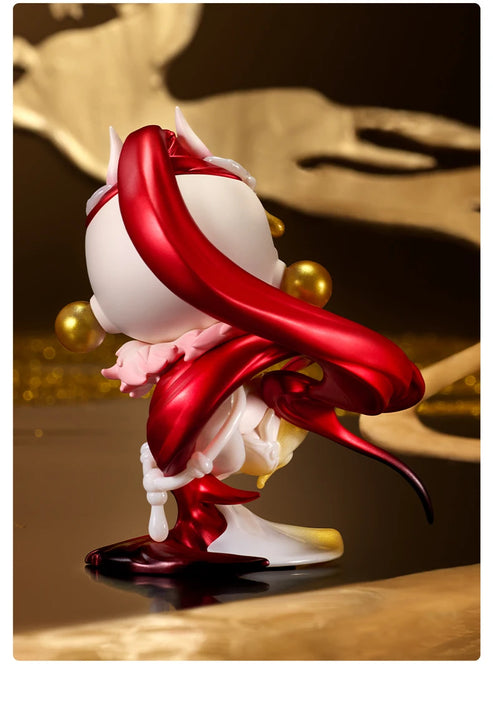
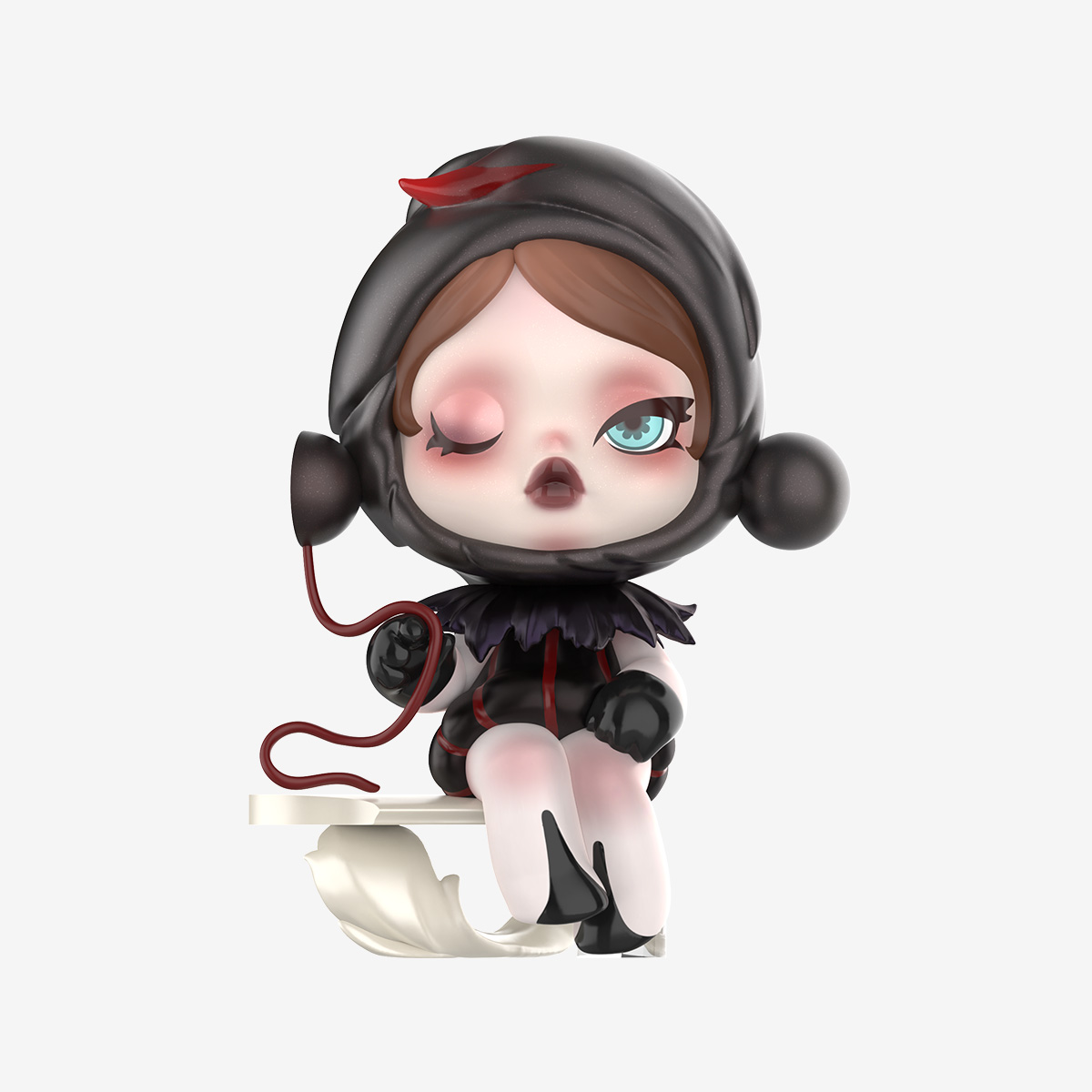
Pop Mart has dominated the blind box market with Labubu, Skullpanda, and Hirono characters that sell out in minutes. But independent artists and boutique collectors argue the brand’s mass-production approach threatens the soul of art toys. The tension raises a critical question for retailers: Should you stock Pop Mart, or should you protect your shop’s identity by focusing on indie designers?
The answer isn’t binary. Smart retailers are finding ways to leverage Pop Mart’s popularity while preserving their connection to the art toy community. Here’s what the market data and customer behavior trends tell us.
The Pop Mart Effect: What the Numbers Say
Pop Mart’s market influence is impossible to ignore. The company generated $2.8 billion in revenue in 2025, up 43% from the previous year. But what does this mean for independent retailers?
The retail impact data:
- Foot traffic: Stores carrying Pop Mart report 28-35% increase in walk-in customers aged 18-35
- Average transaction value: Customers spend $45-60 when purchasing blind boxes vs. $25-30 on standard art toys
- Return frequency: Blind box customers return 2.3x more often than average customers
- Social media engagement: Posts featuring Pop Mart generate 3-4x more organic reach than indie art toy content
The customer psychology behind these numbers:
Pop Mart characters like Labubu aren’t just collectibles—they’re experience drivers. The blind box format creates anticipation. The rarity system (Regular, Secret, Super Secret) triggers the same dopamine response as gambling. The trading culture builds community. These factors transform a simple purchase into an emotional journey that keeps customers coming back.
For your inventory strategy:
Pop Mart products function as traffic magnets. They bring customers into your shop who might not otherwise visit indie art toy stores. The challenge is converting that traffic into broader engagement with your inventory.
The Indie Artist Perspective: Why Quality Matters
Independent artists argue Pop Mart’s mass-production approach erodes what makes art toys special: craftsmanship, storytelling, and artist connection.
The indie art toy value proposition:
- Hand-crafted quality: Each piece is individually painted or cast by the artist
- Limited editions: Typically 50-500 pieces worldwide vs. Pop Mart’s 100,000+ per series
- Artist royalties: 50-70% of retail price goes directly to the creator
- Price stability: Resale value remains stable because supply is genuinely limited
The retail challenge:
Indie art toys typically retail for $80-300 per piece, with profit margins of 30-50% for retailers. Compare this to Pop Mart’s $12-16 price point and 40-60% margins. The higher average transaction value from indie pieces can offset lower volume—but only if you have the right customer base.
What this means for your shop:
If your customers value craftsmanship and artist stories, indie art toys build brand loyalty. Pop Mart builds foot traffic. The most successful retailers stock both, using Pop Mart as an acquisition channel and indie art toys for retention.
The Middle Path: How Smart Retailers Are Winning
Rather than choosing sides, top-performing retailers are creating a hybrid inventory strategy that leverages both markets.
Product mix optimization:
| Category | Inventory % | Margin | Customer Acquisition | Customer Retention |
|---|---|---|---|---|
| Pop Mart Blind Boxes | 40% | 40-60% | High | Medium |
| Indie Art Toys | 35% | 30-50% | Low | High |
| Accessories & Display Cases | 15% | 50-70% | Medium | High |
| Trading Supplies | 10% | 60-80% | Low | High |
Merchandising strategy that works:
-
Pop Mart at the entrance: Use Labubu and Skullpanda displays to draw customers in. The recognizable characters act as visual hooks from the street.
-
Indie art toys as destination products: Create a gallery-style section deeper in the store. Train staff to tell the story behind each artist and piece.
-
Crossover displays: Group Pop Mart and indie pieces by theme (e.g., “Character Design Showcase”) to educate customers about the broader art toy world.
-
Community events: Host “Meet the Artist” sessions for indie creators and “Unboxing Parties” for Pop Mart releases. Different events attract different customer segments but both drive foot traffic.
The inventory planning formula:
- Week 1-4: Focus 60% on Pop Mart for customer acquisition
- Month 2-3: Shift to 50/50 split as you build repeat customer base
- Month 4-6: Optimize based on sell-through data (most stores settle at 40/60 ratio)
Sourcing Strategy: Where to Buy and How to Negotiate
Your sourcing strategy determines your margins, restock speed, and product freshness.
Pop Mart sourcing:
- Work with certified distributors like ShopVidi (us.shopvidi.com) to avoid counterfeit products
- Minimum order quantities: $150-200 for initial orders
- Restock frequency: Every 2-3 weeks for popular series
- Payment terms: Net 60 for eligible retailers, improves cash flow
Indie art toy sourcing:
- Direct relationships: Contact artists through Instagram, Art Toy Galleria, or ToyCon events
- Consignment options: Many indie artists offer 50/50 consignment to reduce upfront inventory risk
- Event-based purchasing: Buy directly at conventions (ToyCon, Designer Con) for exclusive pieces
- Lead times: Expect 4-8 weeks for custom orders vs. 1-2 weeks for Pop Mart
Sourcing timeline for new retailers:
Month 1: Establish accounts with 2-3 Pop Mart distributors and 3-5 indie artists
Month 2: Place first order: 2 cases Pop Mart ($360 wholesale) + 5 indie pieces ($600 wholesale)
Month 3: Evaluate sell-through data, adjust ratios based on your specific customer demographics
The Bottom Line: Balancing Profit and Purpose
The debate over Pop Mart’s impact on the art toy scene is real—but for retailers, the question is practical: How do you serve your customers while maintaining healthy margins?
The successful retailer’s approach:
- Pop Mart = Customer acquisition and consistent cash flow
- Indie art toys = Brand differentiation and customer loyalty
- Hybrid strategy = Sustainable growth that scales with your shop’s identity
Key performance indicators to track:
- Foot traffic increase (target: +25% within 90 days of adding Pop Mart)
- Average transaction value (target: increase from $25 to $45+ with blind box inventory)
- Return customer rate (target: 40%+ return within 30 days)
- Inventory turnover (target: sell through 80% of Pop Mart within 60 days, indie toys within 120 days)
Your next 30 days:
- Week 1-2: Research distributors, order test assortment (2 cases Pop Mart + 3 indie pieces)
- Week 3: Set up merchandising strategy (Pop Mart at entrance, indie in gallery section)
- Week 4: Train staff on storytelling for both categories, launch on social media
The art toy scene isn’t dying—it’s evolving. Retailers who adapt to serve both mass-market excitement and artisanal craftsmanship will thrive in this new landscape.
Ready to optimize your art toy inventory?
Explore wholesale options on ShopVidi for Pop Mart and indie art toy sourcing.
Questions about balancing mass-market and niche products?
Our retail consulting team can help you develop a product mix tailored to your customer demographics. Contact us at retailers@shopvidi.com.
Data sources: Pop Mart 2025 Q4 earnings report, Art Toy Market Analysis 2026, retailer survey of 45 independent stores carrying blind boxes and indie art toys
Last updated: March 2026
Related Products from ShopVidi
Discover wholesale blind boxes and art toys for your shop:
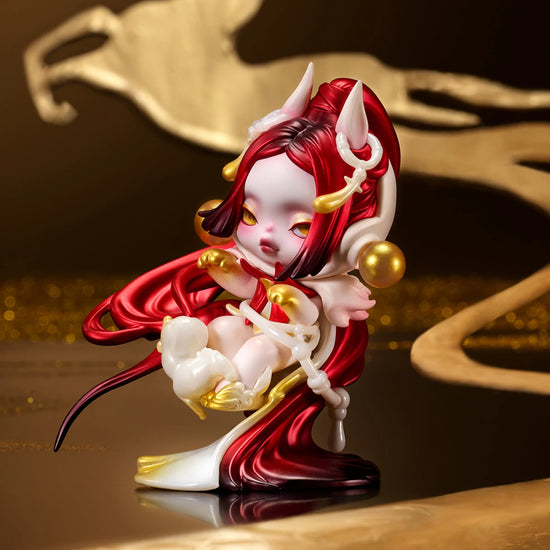
SKULLPANDA Celestial Horse Collectible Figure
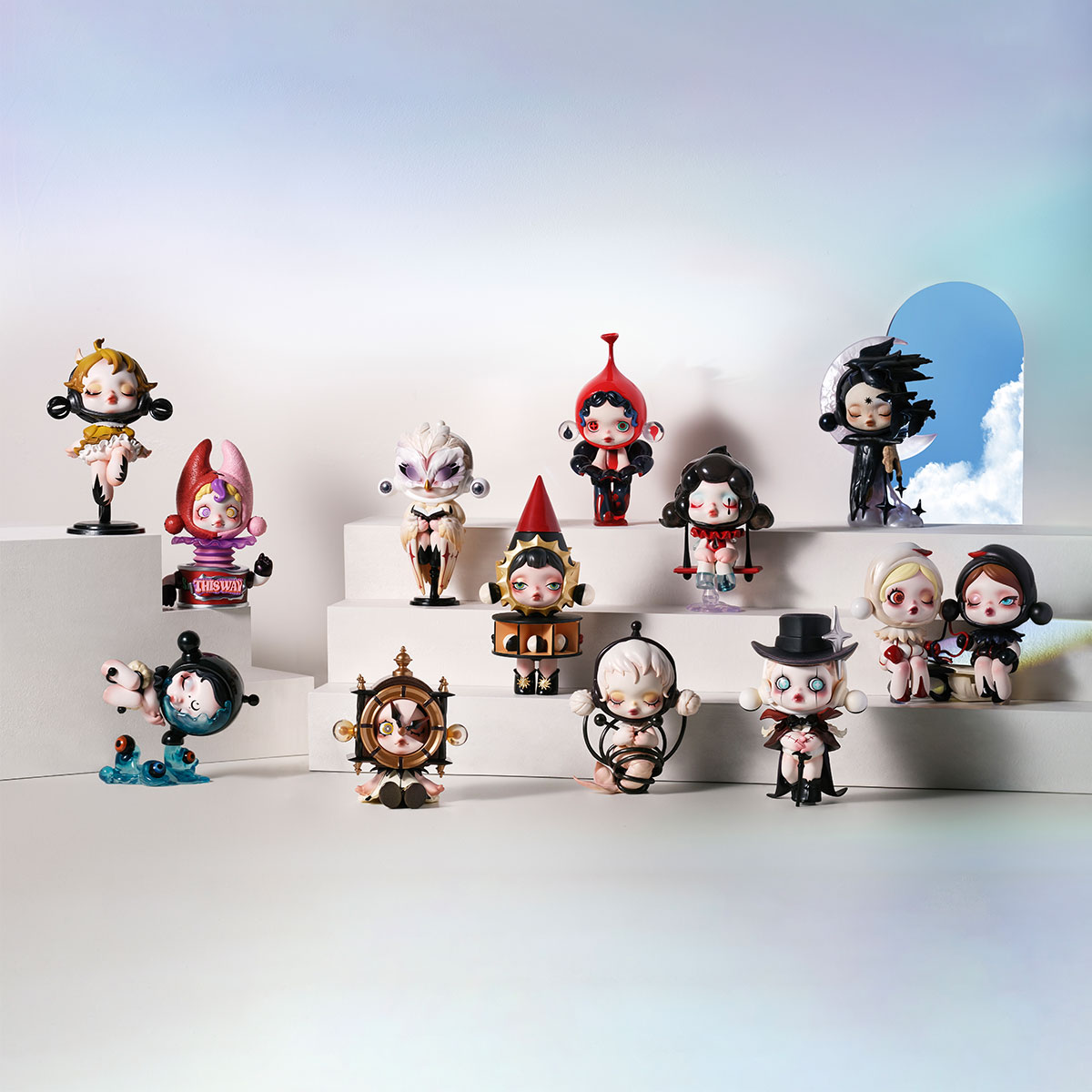
SKULLPANDA Image Of Reality Series Figures Blind Box
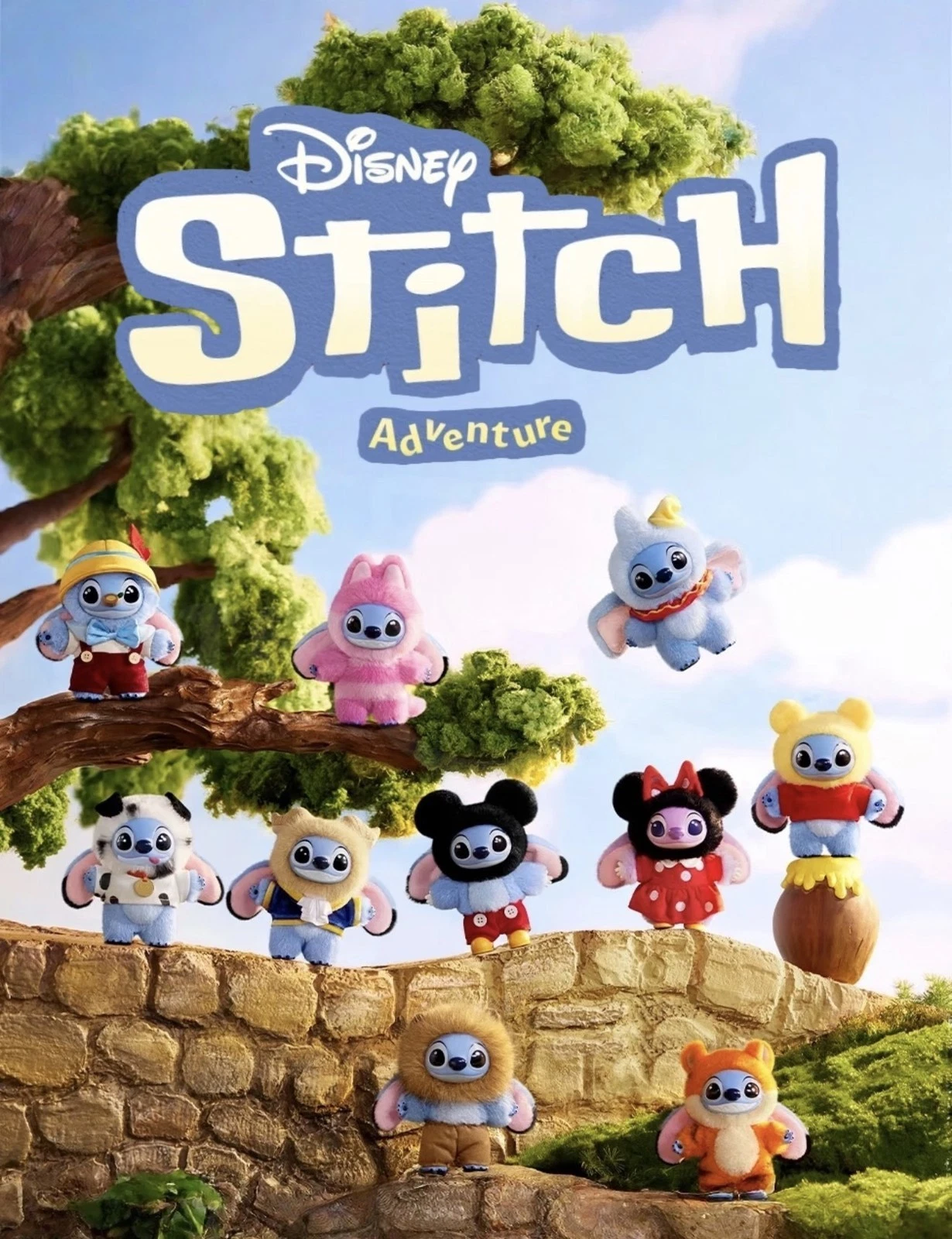
STITCH ADVENTURE SERIES BLIND BOX FIGURES TOY PLUSH PENDANT
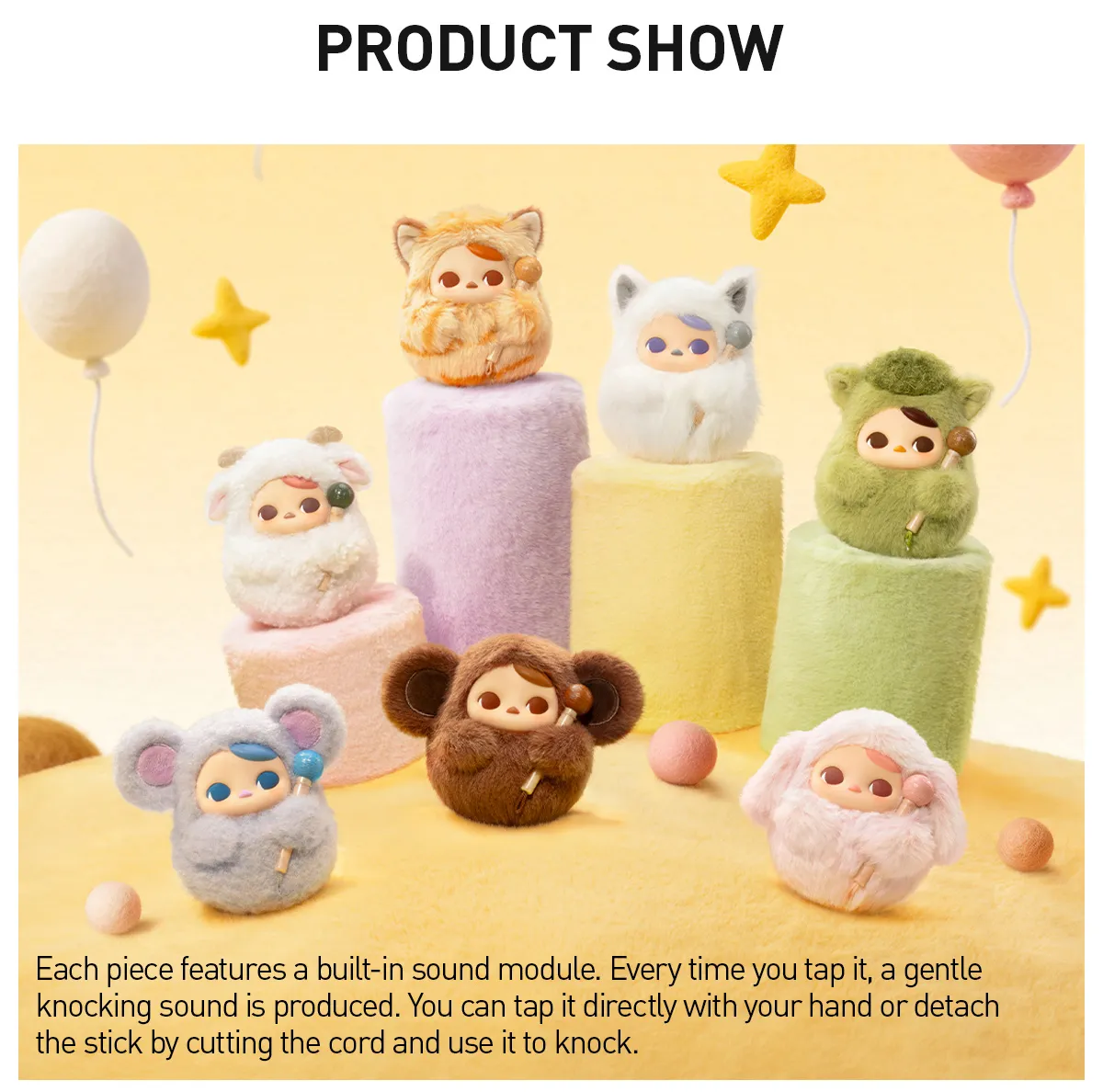
Pucky Tap Tap Babies Series-Vinyl Plush Pendant Blind Box