

Capitalizing on FIFA World Cup 2026 Mascots: A Retailer’s Guide to Profitable Sports Merchandise

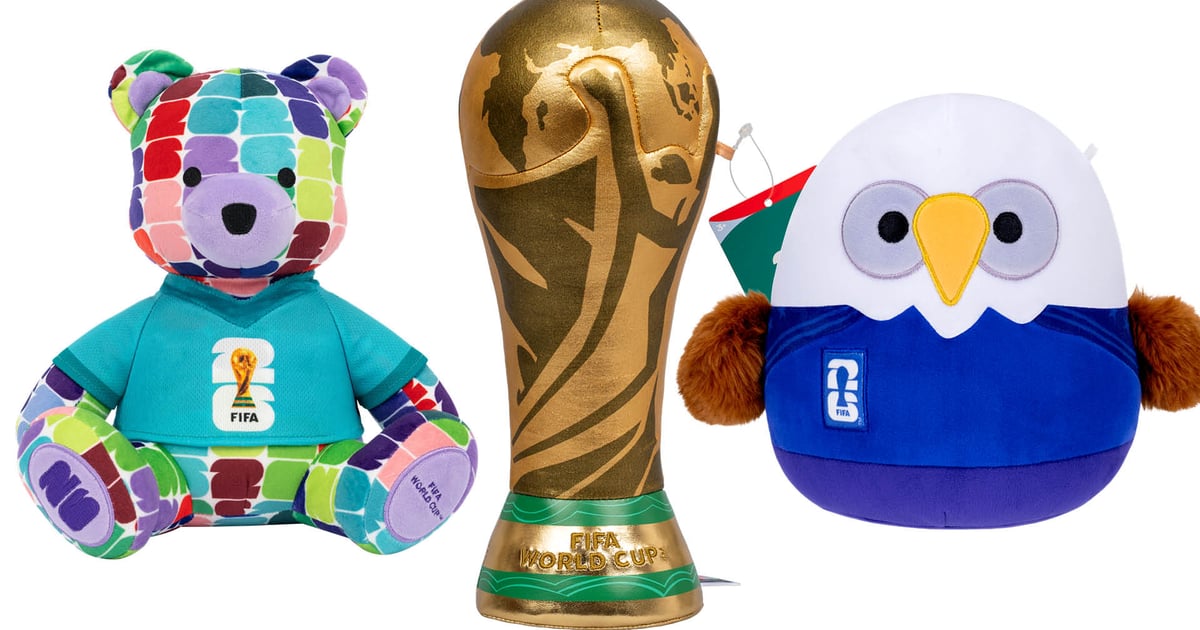
Capitalizing on FIFA World Cup 2026 Mascots: A Retailer’s Guide to Profitable Sports Merchandise
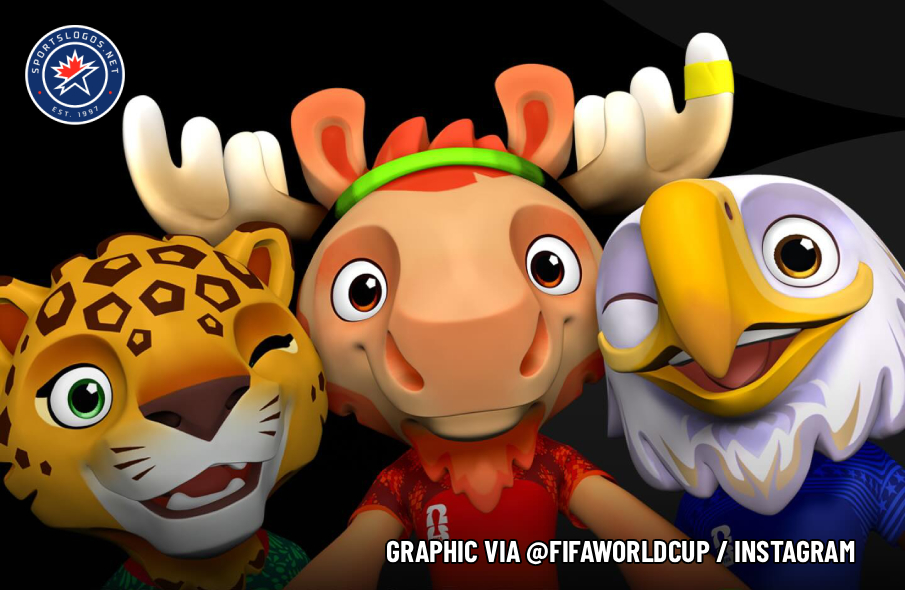
The 2026 FIFA World Cup represents a massive retail opportunity for your shop. With the United States, Mexico, and Canada co-hosting this global sporting event, demand for official merchandise is already surging. The three official mascots—Clutch the bald eagle, Zayu the jaguar, and Maple the moose—offer a compelling product line that appeals to sports enthusiasts, collectors, and gift buyers across North America. Understanding the market dynamics and planning your inventory strategically can help your shop capture significant revenue during this once-in-a-lifetime event. Industry analysts project total merchandise sales for World Cup 2026 to exceed $5 billion across all retail channels, with plush toys and collectibles representing a substantial portion of this demand.
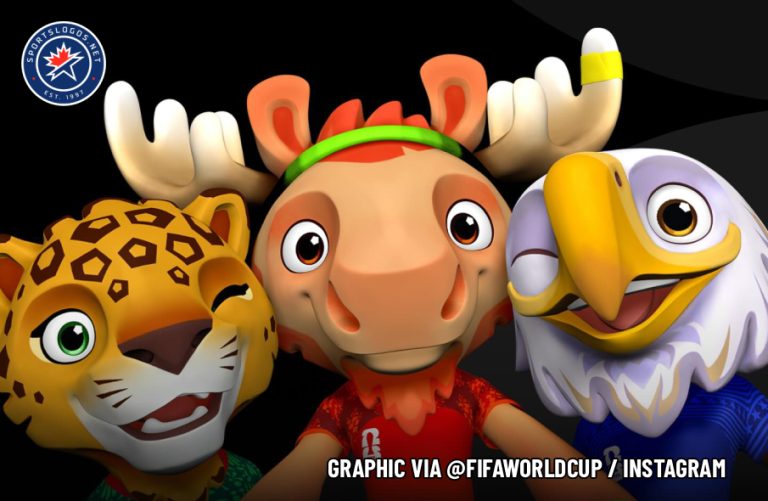
The retail pricing for these official mascot plush toys provides healthy margins. The 8-inch plush dolls retail at approximately $12.99, while the 10-inch versions command $19.99. Keychain versions priced around $4.99 offer an accessible entry point for younger fans. Wholesale pricing typically ranges from 35-45% below retail, allowing your shop to achieve gross margins of 40-50%. These margins exceed the average toy category margins of 30-35%, making World Cup merchandise an attractive addition to your inventory mix.
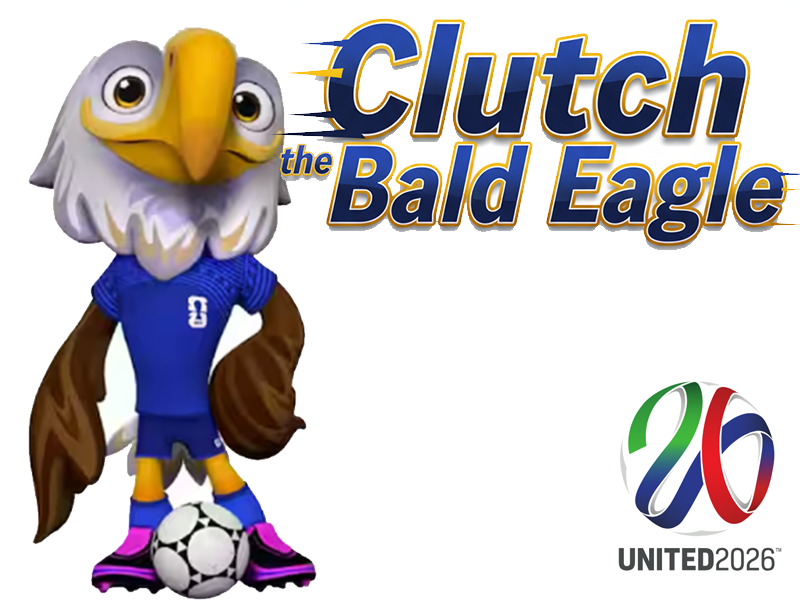
Your stock allocation strategy should reflect the demographics of your local market. The United States mascot, Clutch the bald eagle, will likely represent 50-60% of total sales volume due to the larger American consumer base and host country enthusiasm. Mexico’s Zayu jaguar and Canada’s Maple moose should each account for 20-25% of sales, though these proportions may shift depending on your location. Retailers in border regions or areas with significant Hispanic communities should increase their allocation of the Mexico mascot accordingly. Consider ordering a balanced initial assortment—perhaps 60% Clutch, 20% Zayu, and 20% Maple—and adjusting based on early sales velocity.
The 10-inch plush dolls offer the best display presence and gift appeal for adult collectors. These larger figures command a premium price point and work well as impulse purchases near checkout counters. The 8-inch versions provide excellent value for parents and children, representing your volume sales driver. The 4-inch keychains serve as perfect add-on items and gift toppers, increasing your average transaction value. A recommended SKU planning approach includes stocking all three sizes for each mascot to capture different customer segments and maximize your sell-through rate.
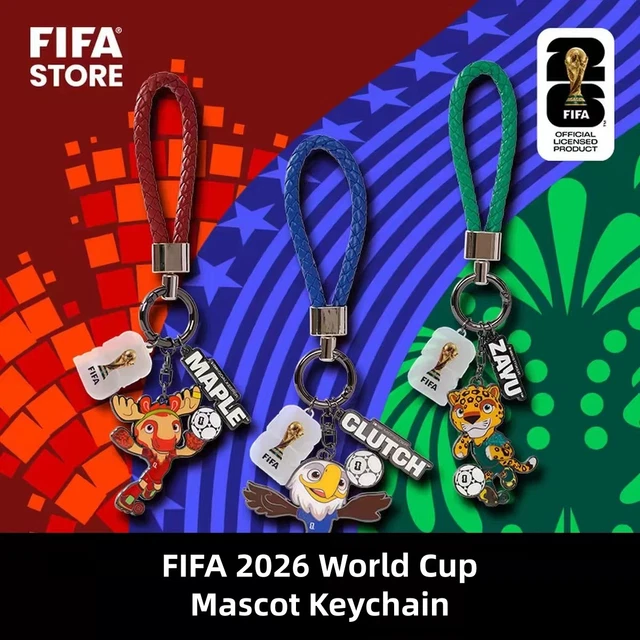
Your merchandising strategy should leverage the event’s timeline. With the tournament running from June to July 2026, demand will peak in the months leading up to the opening match. Football fans typically begin purchasing merchandise 3-4 months before major tournaments, suggesting that your optimal ordering window is Q1 2026. Early inventory positioning allows you to capture pre-tournament enthusiasm while avoiding last-minute supply chain disruptions. Plan for sustained sales through the summer months as casual fans engage with the event during its broadcast.
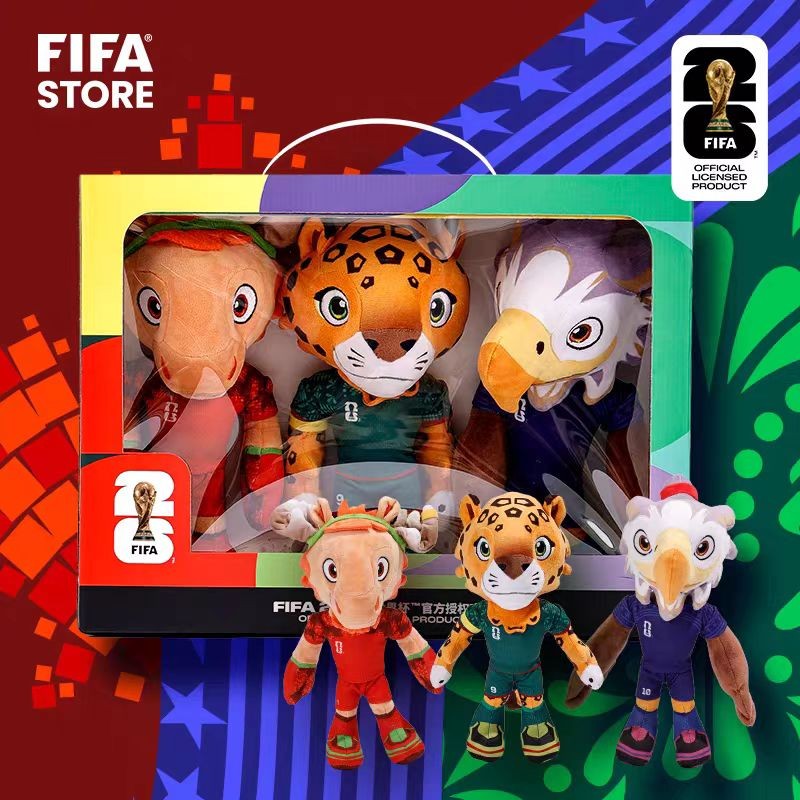
The cross-promotion potential with existing inventory creates additional sales opportunities. These plush mascots complement your current sports memorabilia, toy collections, and gift selections. Consider bundling the mascots with related products such as team jerseys, scarves, or display cases to increase average transaction size. Your staff should be educated about the mascot characters and their significance to enhance the customer experience and drive attachment sales. Knowledgeable recommendations can transform casual browsers into committed buyers.
Your foot traffic will likely increase as sports enthusiasts visit your shop seeking World Cup merchandise. This surge provides an opportunity to showcase other inventory categories and acquire new customers who may not have previously visited your store. Consider creating dedicated display areas or window features highlighting the World Cup collection to attract passing footfall. Social media promotion featuring the mascots and announcing your official merchandise status can further amplify awareness among local sports communities.
The wholesale sourcing channels for these officially licensed products include major toy distributors and specialized sports merchandise suppliers. Due to the official licensing requirements, pricing remains relatively consistent across authorized distributors. Your negotiation leverage lies in ordering volume and payment terms rather than unit price. Consolidating orders across multiple SKUs can improve your wholesale pricing tier and reduce per-unit shipping costs. Establish relationships with multiple suppliers to ensure inventory continuity and mitigate supply chain risks.
Your inventory velocity projections should account for post-tournament demand patterns. While sales peak during the actual World Cup months, sustained interest often continues for 6-12 months as collectors seek to commemorate the event. Unsold inventory retains value as collectible memorabilia, reducing your risk compared to trend-driven products with shorter shelf lives. Consider maintaining a small post-event inventory buffer of your best-selling mascots to capitalize on collector interest that persists beyond the tournament’s conclusion.