
Weekly Store Spotlight: How Hobby Stores Can Maximize 2026 Revenue with Strategic Blind Box Sourcing

Your hobby store stands at a unique crossroads in 2026. The collector market has evolved dramatically with the mainstream adoption of designer toys and blind boxes. Customers who once frequented your store for model kits and action figures now seek the thrill of blind box unboxing and the aesthetic appeal of art toys. This shift presents a tremendous opportunity for hobby stores to expand their product categories and capture new customer segments.
Hobby stores possess distinct advantages when entering the blind box market. Your existing customer base already understands collecting as a hobby. They value rarity, display quality, and the emotional connection to their purchases. This mindset aligns perfectly with blind box psychology. When you introduce blind boxes, you are not teaching a new concept but rather offering a familiar collecting experience in a fresh format. Your customers are already primed to appreciate the chase for rare editions and the satisfaction of completing sets.
Pokemon blind boxes and collectibles represent a strategic addition to your inventory that bridges traditional collecting with modern blind box mechanics. The Pokemon franchise has maintained extraordinary collector appeal for over 25 years, with dedicated collectors who chase specific characters, rare variants, and limited editions. Your margins on Pokemon blind boxes typically range from 30-40%, while secondary market premiums can reach 300-500% for ultra-rare chase figures. The collector psychology around Pokemon is well-established in the hobby community, making it a natural extension of your existing product lines. When you stock Pokemon blind boxes, you tap into a collector base that already understands the value proposition of collecting, trading, and displaying rare items.
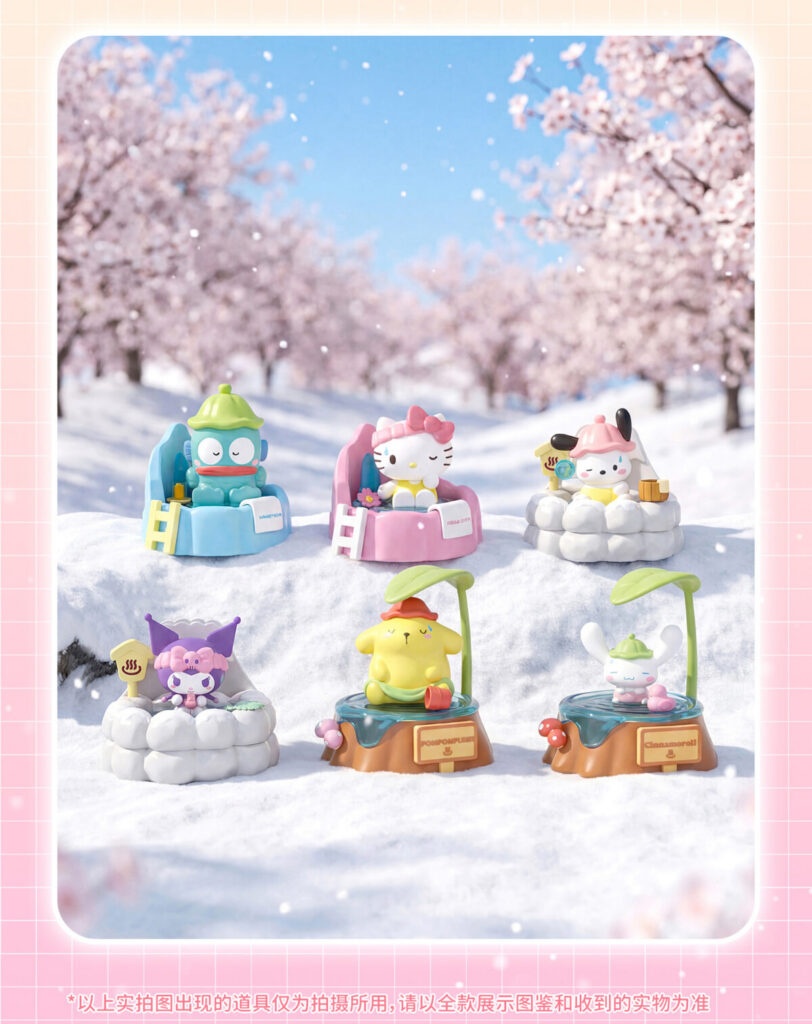
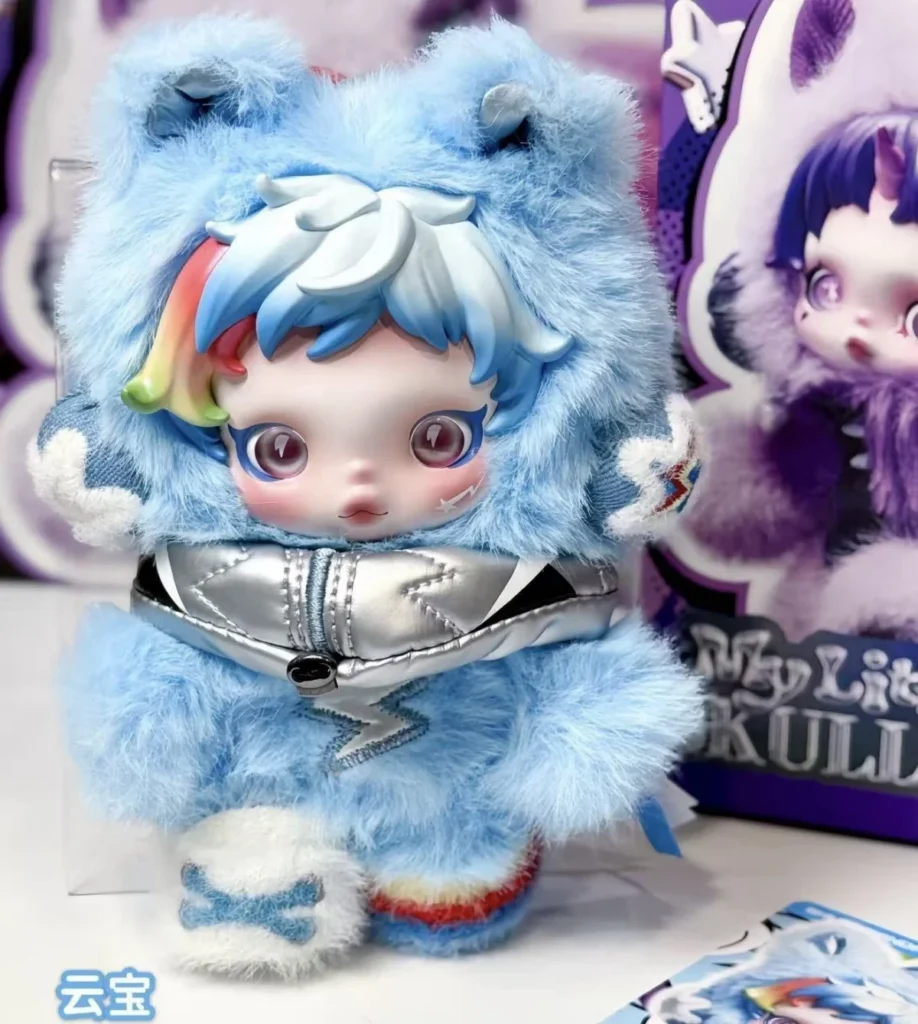
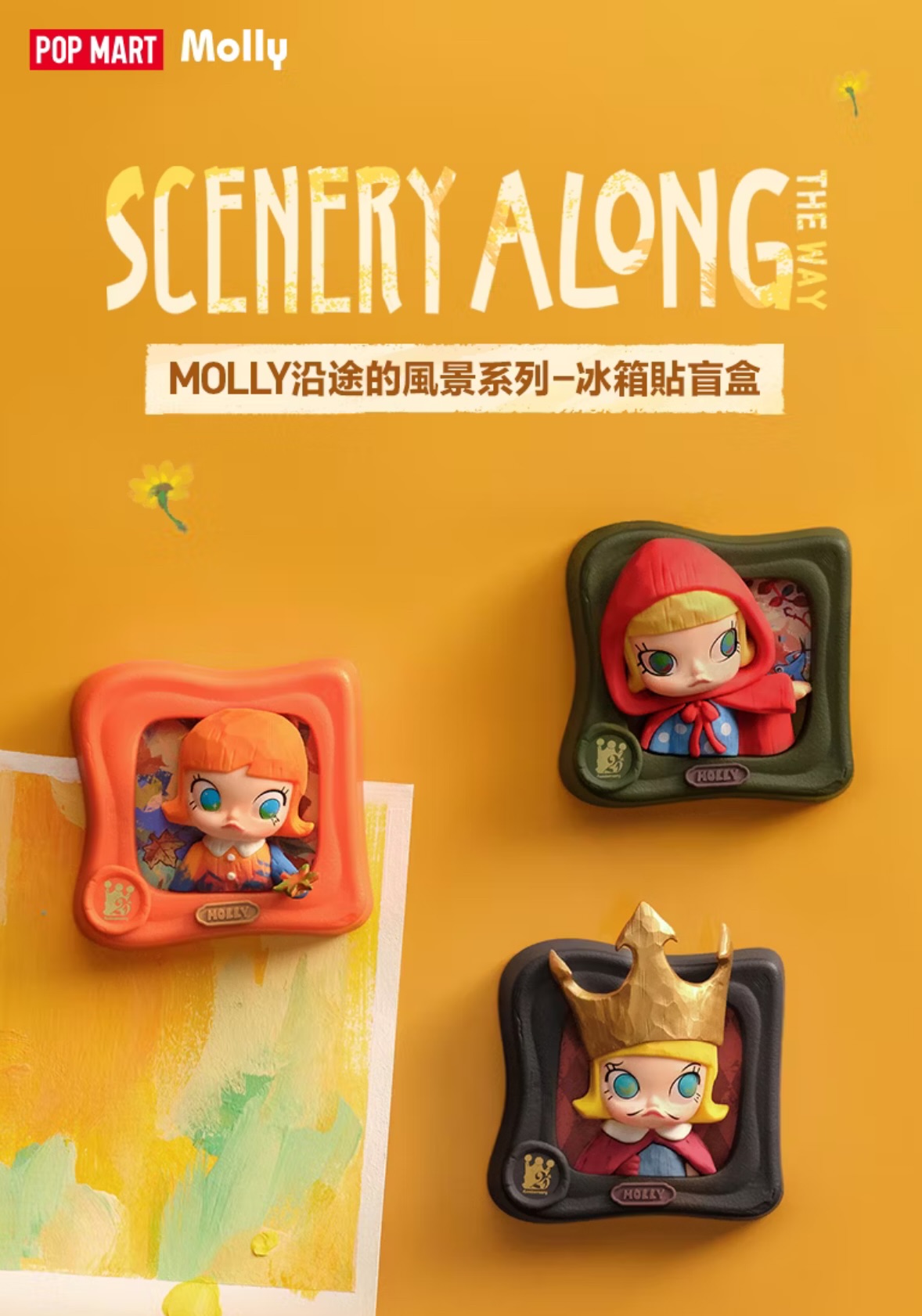
Pop Mart represents the cornerstone of any successful blind box strategy for hobby stores. The brand has established itself as the global leader in designer toys with characters that resonate across demographics. Labubu, Dimoo, Skullpanda, and other IP have proven track records of driving collector interest. Your margins on Pop Mart products typically range from 35-45%, making them financially attractive. The key is selecting series that align with your customer demographics and display preferences.
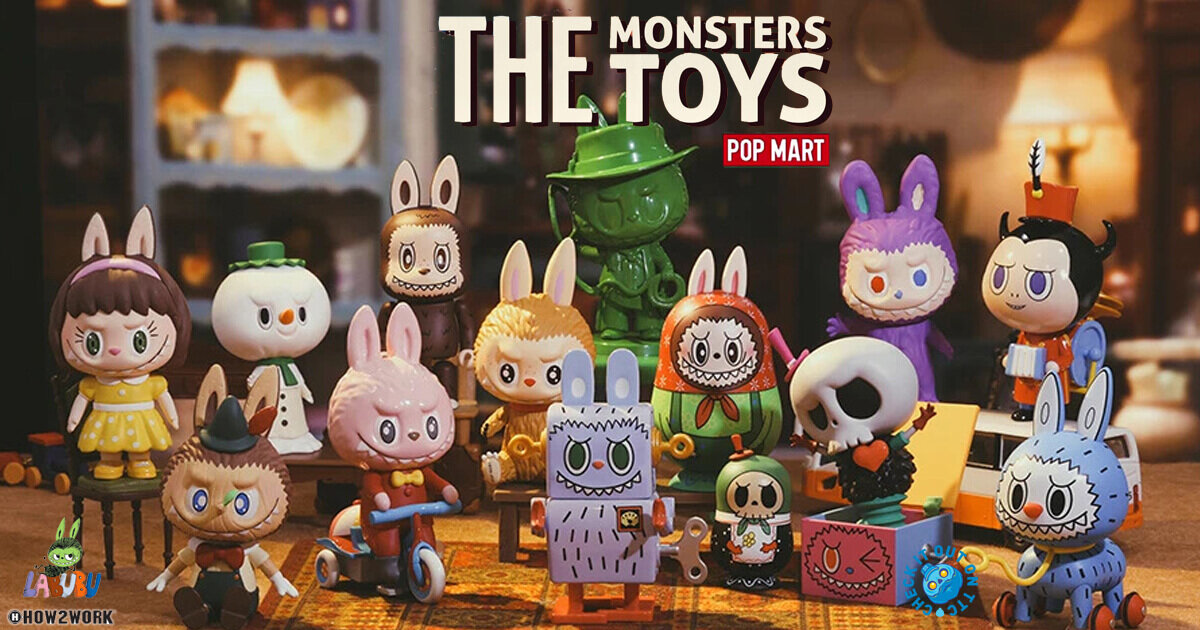
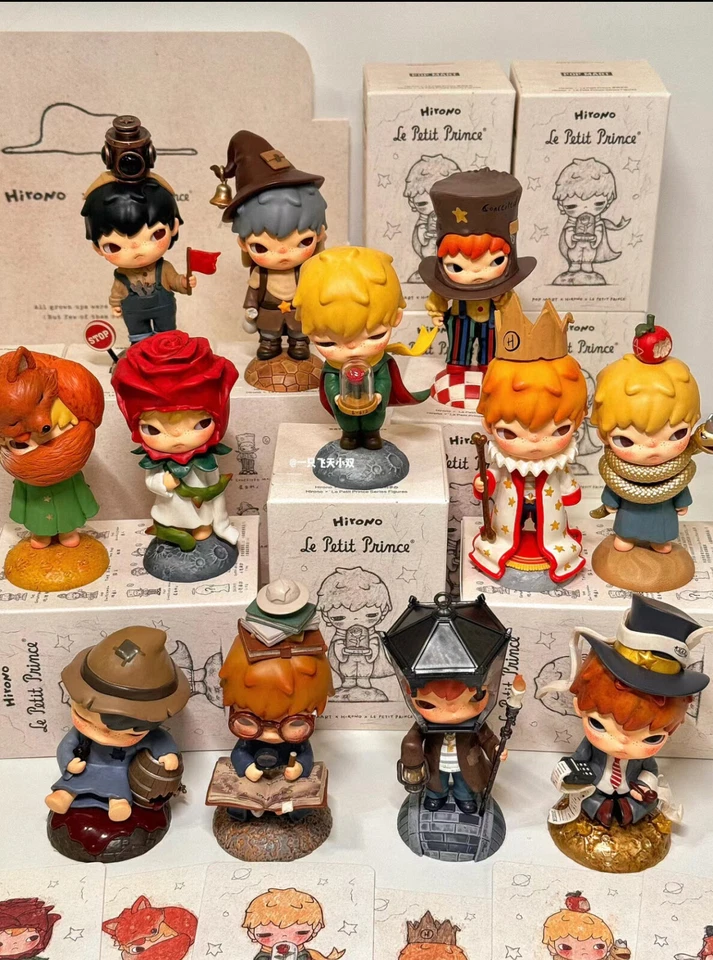
Designer toys from independent artists offer another compelling category for hobby stores. These products appeal to collectors who value artistic expression and unique design aesthetics. The limited production runs often create secondary market demand, driving repeat customer visits. While margins can vary, successful designer toy lines often achieve 40-50% margins with proper inventory management. Your customers appreciate the story behind each artist and the craftsmanship evident in every figure.

Art toys that bridge the gap between collectibles and display pieces deserve special attention in hobby stores. These higher-end items appeal to customers who treat their collections as home decor. Mega editions and large-scale figures command premium pricing but deliver strong margins of 30-40% when positioned correctly. Your store layout should dedicate prominent display space to these showpieces, as they serve as visual anchors that attract foot traffic and establish your store as a serious destination for collectors.
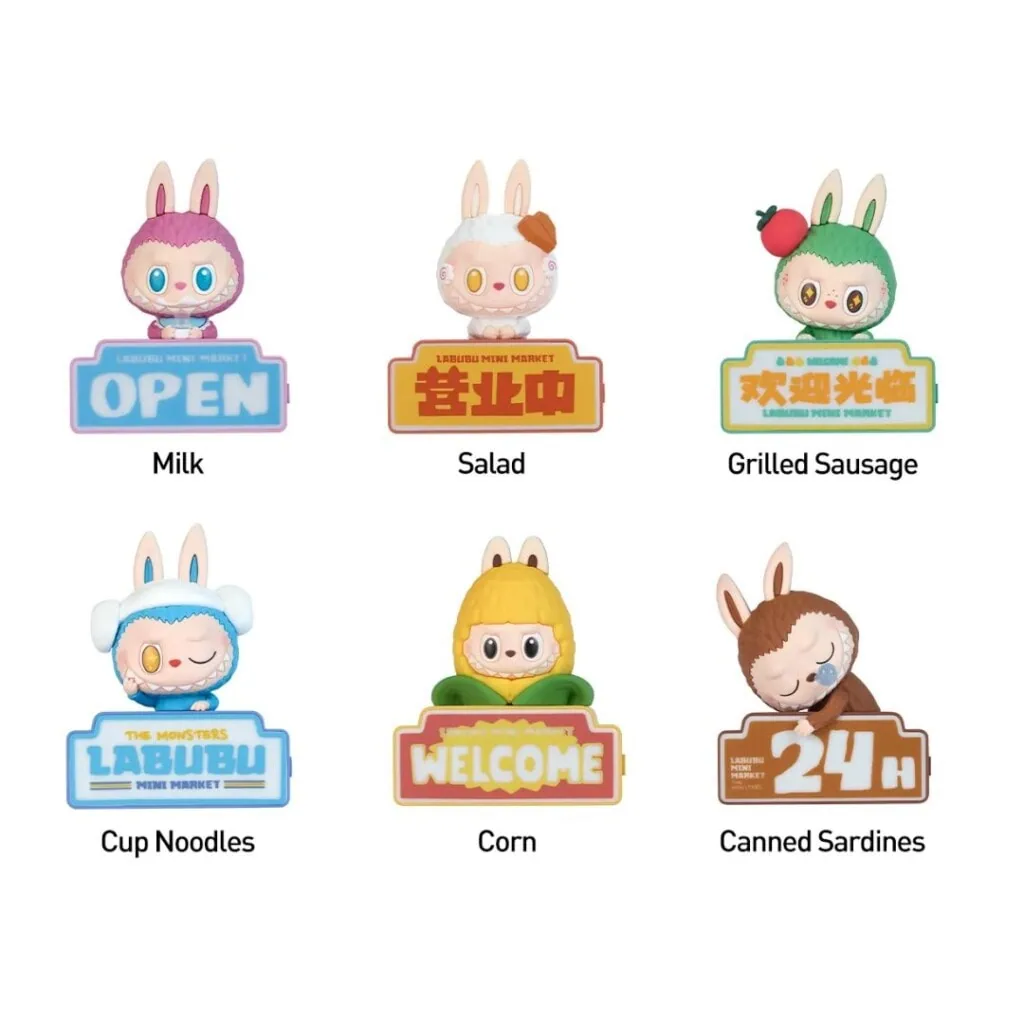
Your sourcing strategy should balance proven performers with carefully selected new releases. Start with core Pop Mart series that have demonstrated consistent sales, then gradually introduce designer toys and art toys that align with your customer preferences. Track sell-through rates by category and adjust your ordering patterns accordingly. Many successful hobby stores find that a 40-30-20-10 split between Pop Mart, Pokemon, designer toys, and art toys provides optimal sales velocity while maintaining healthy margins.
Inventory management requires careful attention to series lifecycle management. Blind box series typically have peak demand during the first 2-3 months after release, then gradually taper off. Your ordering should front-load during this initial period and scale back as the series matures. This approach maximizes your ROI while minimizing slow-moving inventory. Monitor social media trends and collector forums to identify upcoming hot releases and plan your inventory accordingly.
Store layout and display strategy significantly impact your blind box sales success. Create dedicated blind box sections that encourage exploration and discovery. Use tiered displays to showcase different series at varying price points. Consider implementing blind box vending machines or unboxing stations to enhance the customer experience. The physical act of opening a blind box generates excitement and encourages multiple purchases per visit.
Pricing strategy should account for the psychological nature of blind box purchasing. Entry-level blind boxes work well at impulse-friendly price points under $15, while mega editions and premium art toys can command $50-150 from serious collectors. Consider bundle promotions that combine regular blind boxes with accessories or display stands to increase your average transaction value. Limited edition variants can command premium pricing when marketed effectively to collectors.
Staff training plays a crucial role in maximizing blind box sales. Your team should understand the rarity mechanics of blind boxes, the story behind each IP, and the collecting habits of different customer segments. When a customer shows interest in a particular series, your staff should suggest complementary items like display cases or accessories. This consultative approach builds trust and increases your sales per customer while reinforcing your store’s expertise.
Marketing should highlight the collecting experience rather than individual products. Use social media to showcase unboxing videos, customer collections, and store displays. Host blind box opening events or swap meets to build community and drive foot traffic. Consider implementing loyalty programs that reward repeat blind box purchases and encourage collectors to return regularly to check for new arrivals.
The financial impact of integrating blind boxes can be substantial for hobby stores. Stores that successfully expand into this category often see 30-40% increases in overall revenue, with blind box margins typically 10-15 percentage points higher than traditional hobby products. The repeat purchase nature of blind box collecting creates a more stable revenue stream compared to the sporadic purchasing patterns typical of some hobby products.
Your hobby store has exceptional potential in 2026 when you embrace blind boxes as a natural extension of your collector-focused business model. Pokemon, Pop Mart, designer toys, and art toys offer proven demand, strong margins, and customer appeal that aligns perfectly with your existing customer base. Start with focused inventory in high-potential categories, track your results carefully, and expand based on what resonates with your local market. The hobby stores that thrive in 2026 will be those that recognize blind boxes not as a fad but as a powerful new dimension of the collecting experience that their customers already love.
Related Products from ShopVidi
Discover wholesale blind boxes and art toys for your shop: