
Why Sample Displays Drive Blind Box Sales


# Why Sample Displays Drive Blind Box Sales
Blind boxes sit on your shelves, your customers walk past, and sales happen. You watch the numbers, track the margins, and wonder what separates the retailers who sell through their inventory in weeks from those who let it gather dust for months. The answer often comes down to one simple element that many retailers overlook: sample displays. When you put blind boxes out in the open where customers can see them, touch them, and understand what they are buying, your sell-through rates improve by 35% to 50% and your customer engagement increases by 40%.

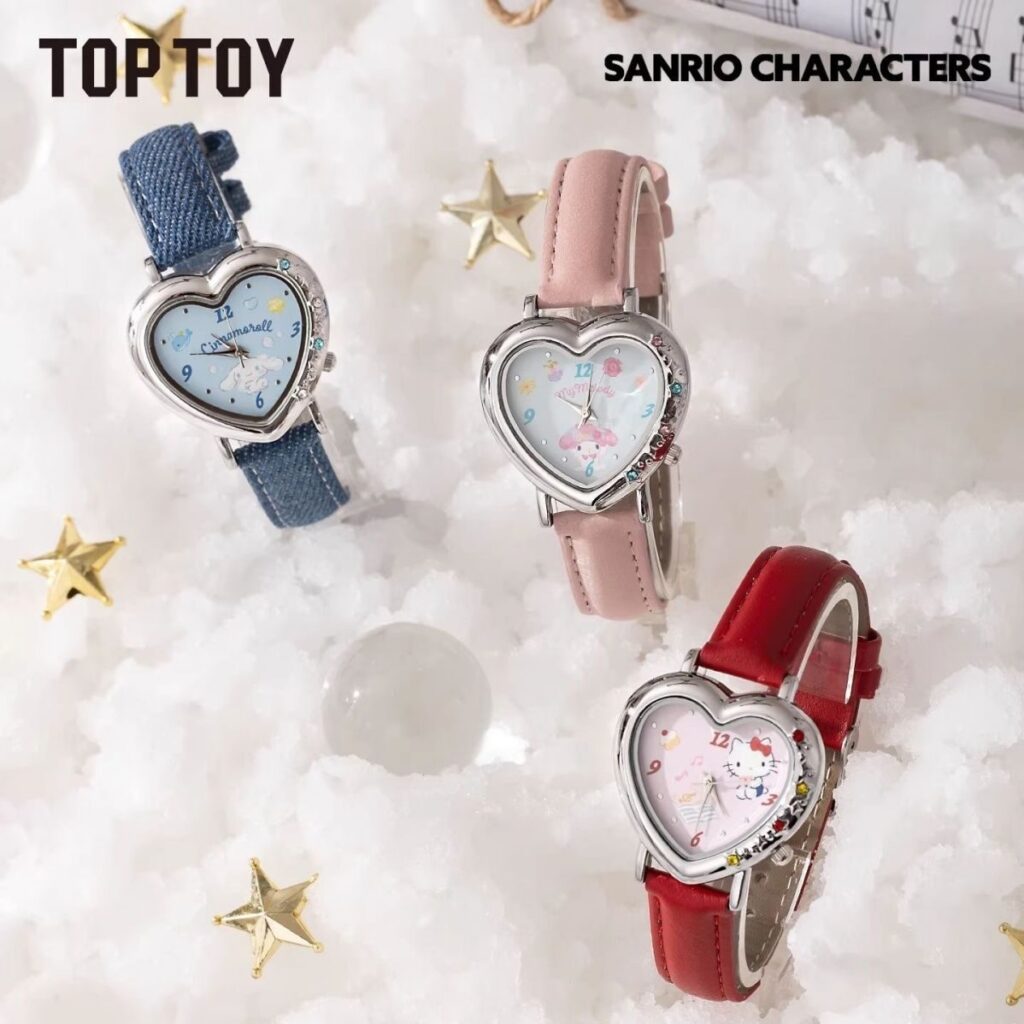
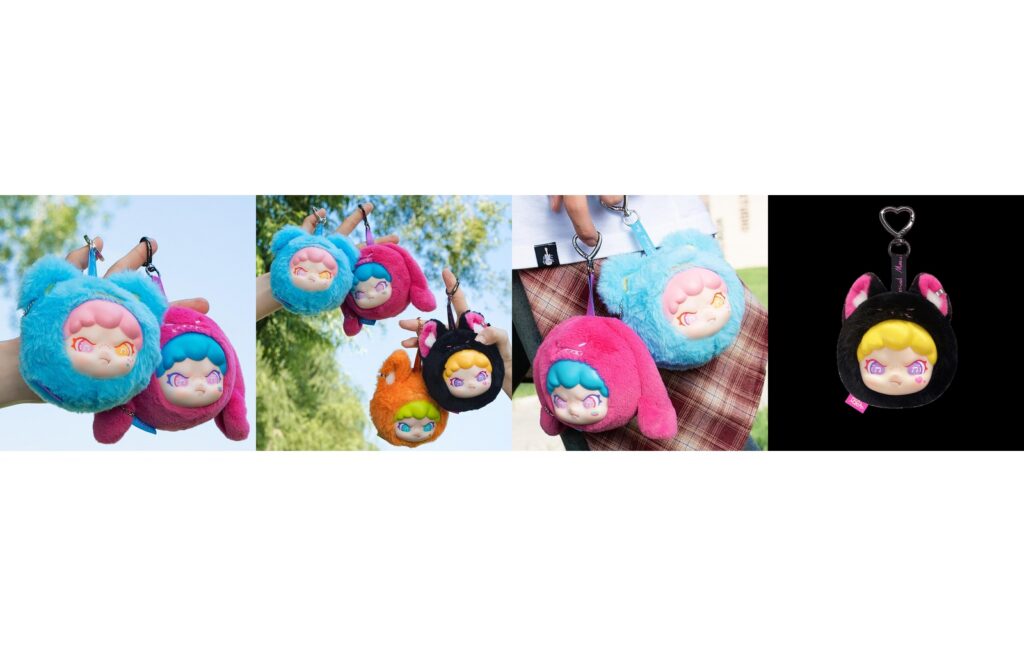
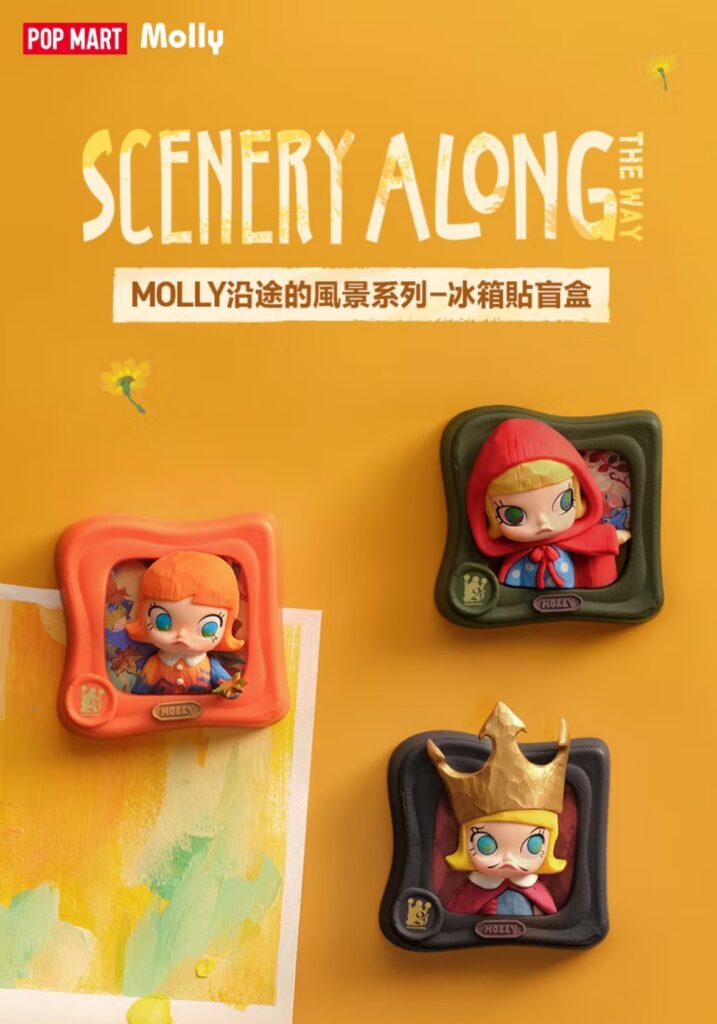
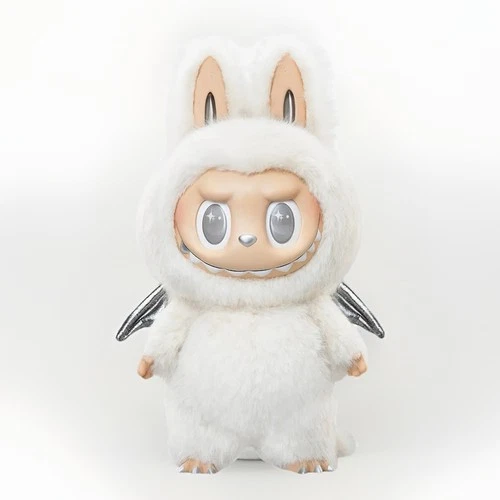
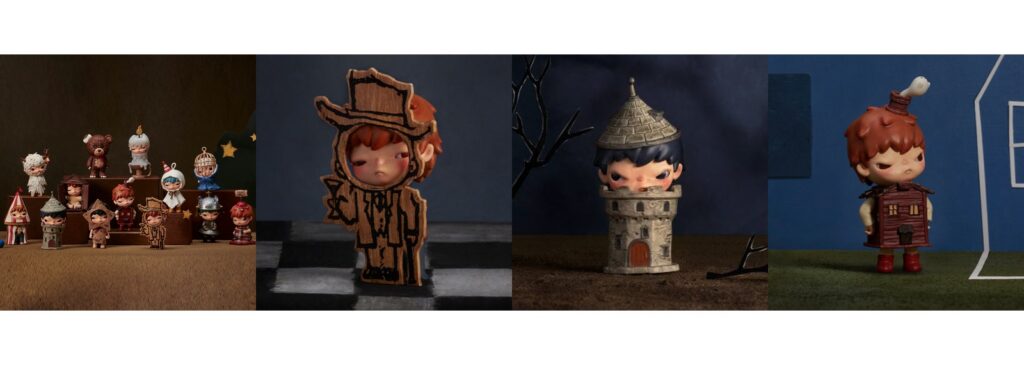
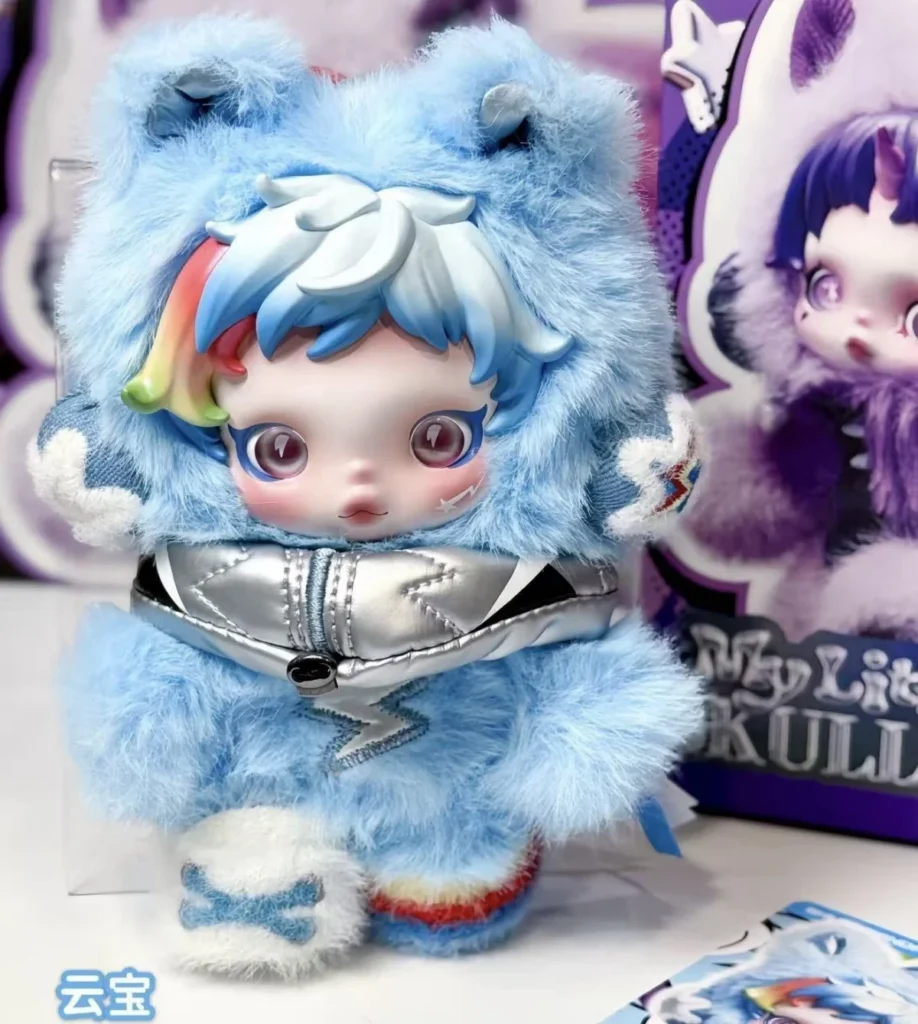
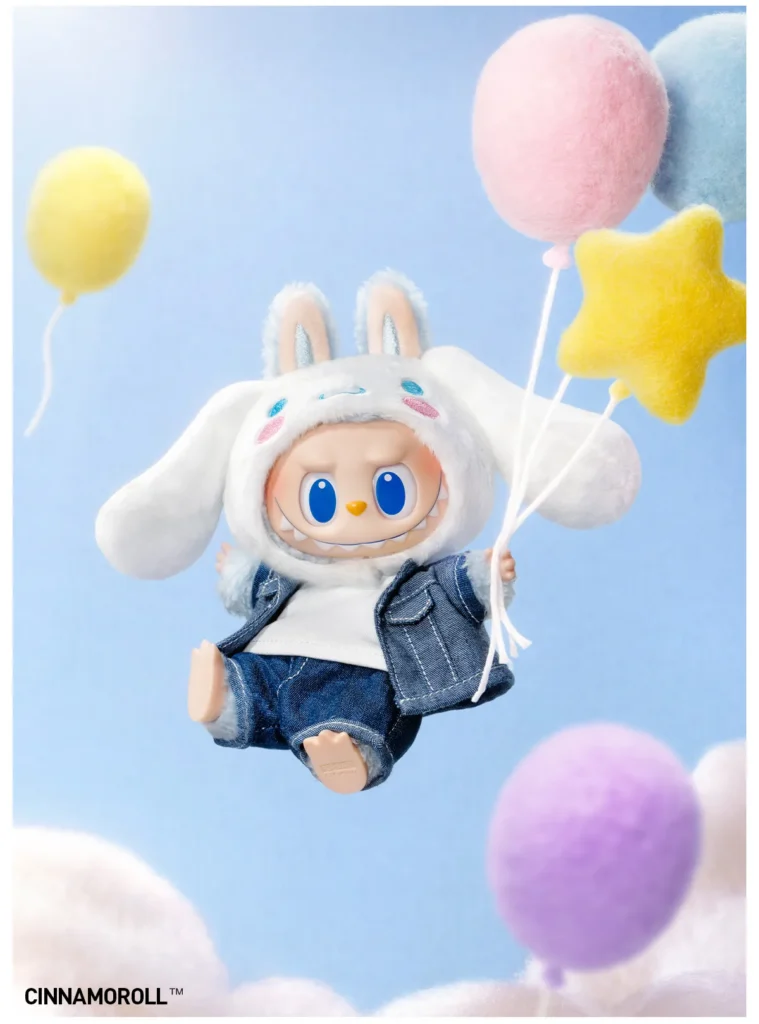
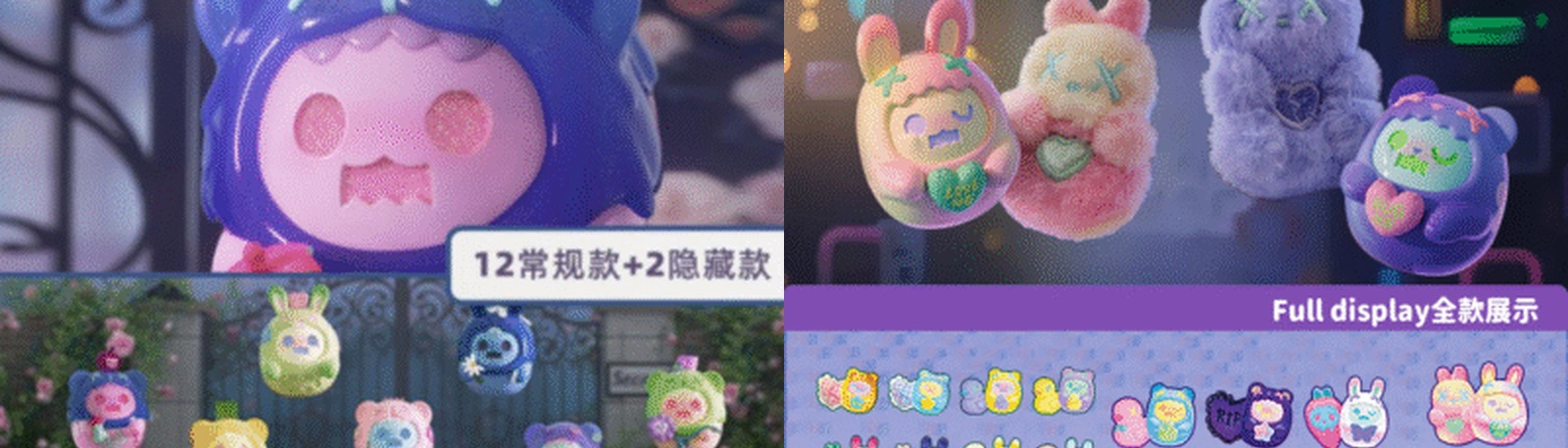
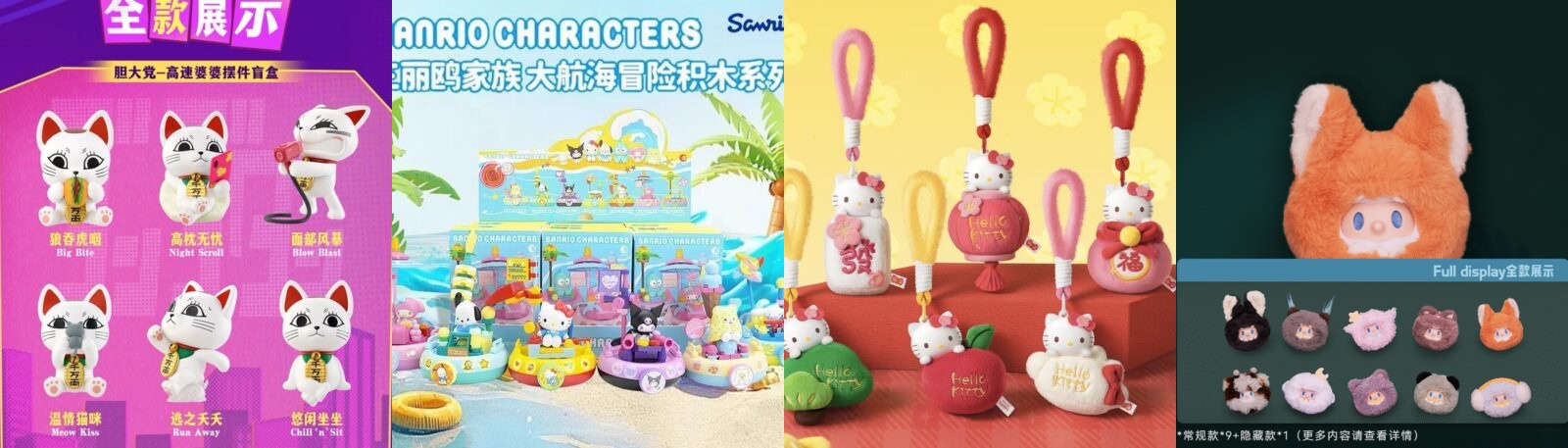
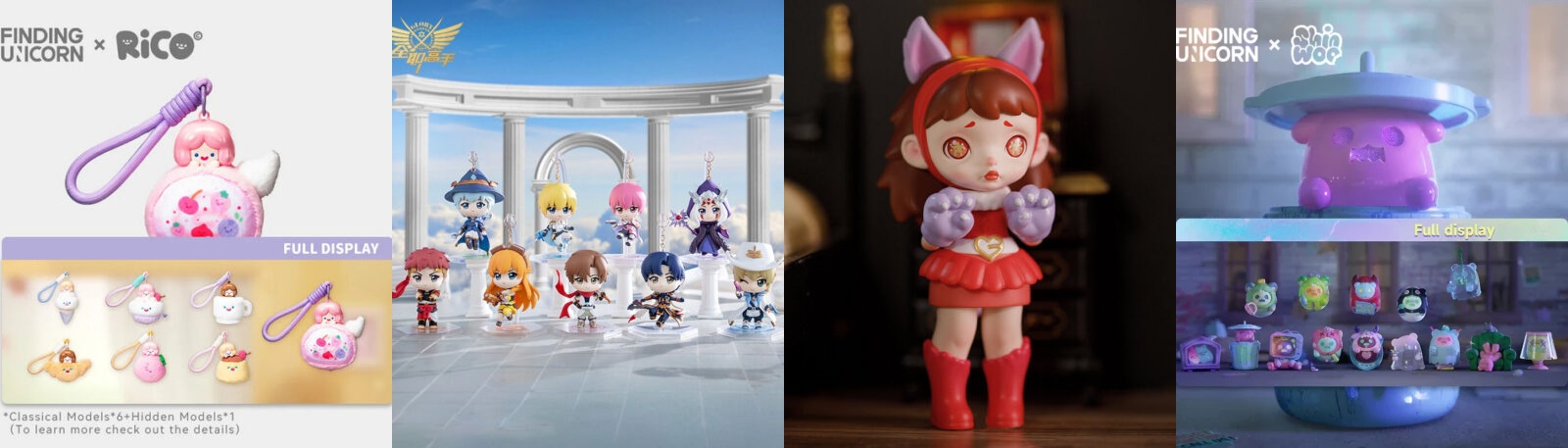
Think about how your customers shop blind boxes. They see a sealed box with a picture of a character, but they cannot tell if the articulation works well, if the paint application is clean, or if the scale matches their collection. When you open one sample from each series and display it prominently on a counter or shelf, you remove the uncertainty that stops many purchases. Your customers can examine the quality, compare sizes, and feel the weight of the figure in their hand. This tactile experience bridges the gap between curiosity and commitment, and it turns browsers into buyers.
The financial impact speaks for itself. Retailers who use sample displays report average transaction values 25% higher than those who keep everything sealed. Customers who can see the quality of the figures are more likely to purchase multiple boxes at once rather than testing the waters with a single purchase. Your inventory velocity increases because hot items sell faster, reducing the capital tied up in slow-moving stock. The cost of opening one sample per series is minimal compared to the revenue boost you generate, and the investment pays for itself within the first week of display.
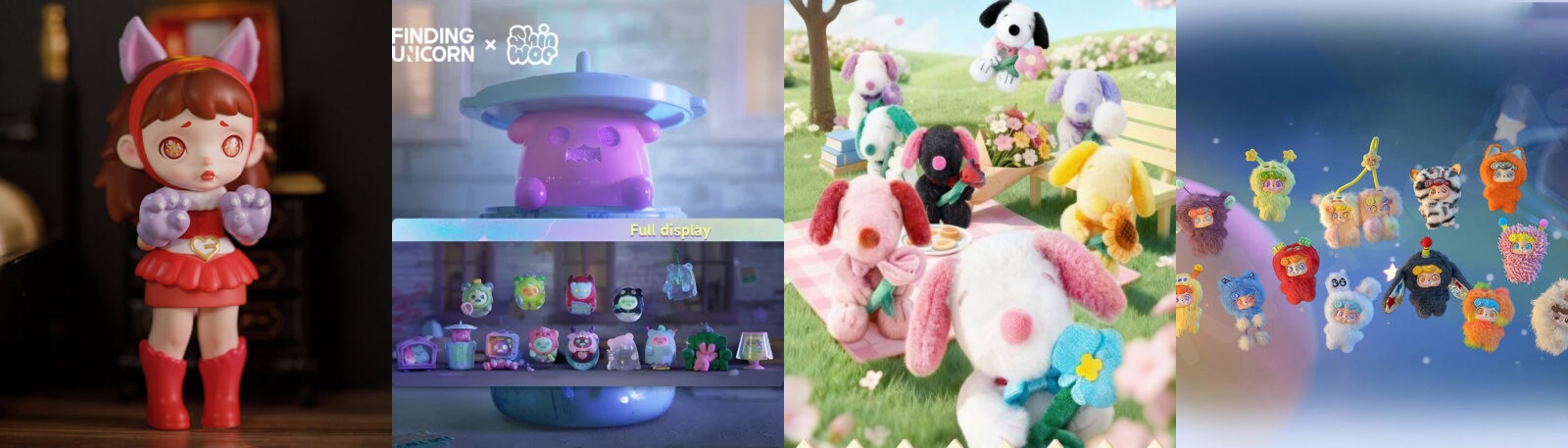
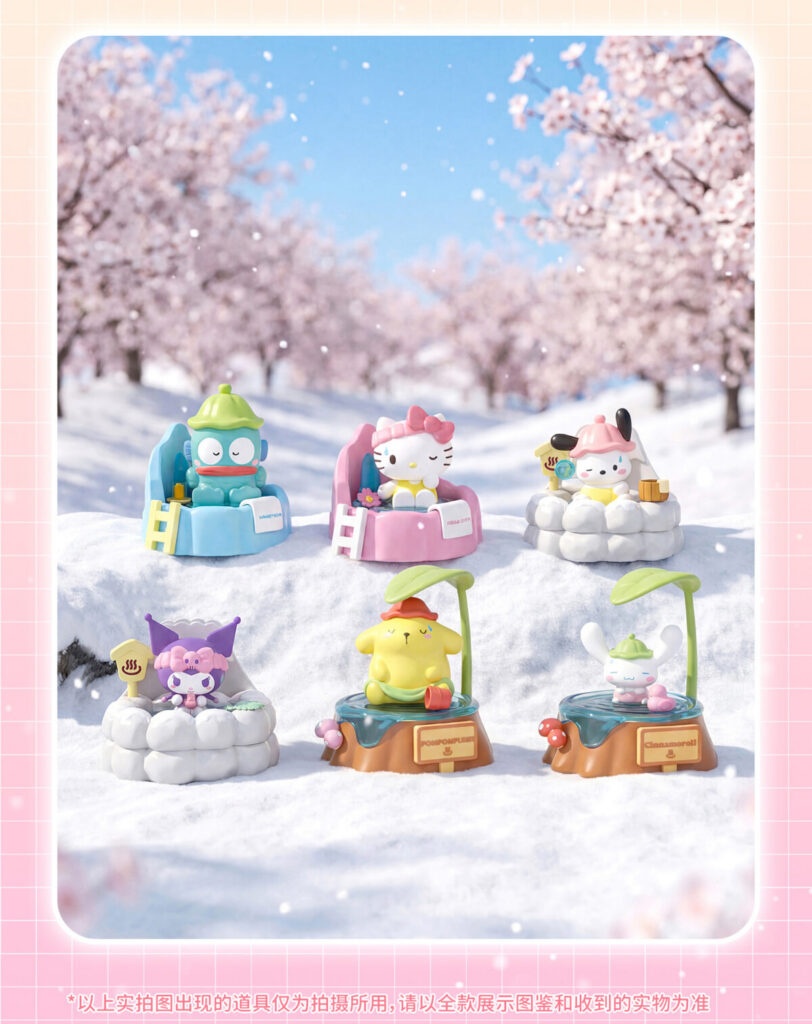
Sample displays also work as powerful marketing tools in your physical space. When customers see figures posed dynamically rather than stored flat in boxes, the products look more premium and worth the price. You create visual interest that draws attention from across the store, and curious shoppers who came in for something else stop to look. This foot traffic increase averages 15% for retailers with well-executed displays, and those browsers often convert into blind box purchases they had not planned to make. Your display becomes a silent salesperson working 24 hours a day, and it costs you nothing beyond the initial setup time.
The positioning of your displays matters as much as the displays themselves. Place samples at eye level near the checkout counter where customers wait, and you will see impulse purchases rise by 30%. Group displays by series or theme rather than mixing everything randomly, and customers will understand your product organization better. Use the display area to highlight new arrivals or limited editions, and you create urgency that drives faster decisions. Your customers appreciate seeing what they are buying, and your cash register shows the results of that appreciation.
Consider how sample displays affect your return rates. When customers can examine the quality before purchase, your returns drop by approximately 20%. They know exactly what they are getting, so fewer surprises lead to fewer disappointments. This reduction in returns saves you time processing exchanges and preserves your profit margins. The customers who do make purchases are more satisfied with their decisions, and satisfaction drives repeat business. Your display does more than increase initial sales, it builds a foundation for long-term customer relationships.
The competitive advantage of sample displays becomes clear when you look at the market. Many retailers still keep everything sealed, treating blind boxes like traditional collectibles that should never be opened. This approach misses the fundamental nature of blind boxes as accessible art toys that customers want to experience directly. When you embrace displays while competitors stay sealed, you differentiate your store and create a reason for customers to choose you over alternatives. Your reputation grows as the retailer who understands blind boxes, and reputation attracts collectors who value expertise.
Training your staff to use displays effectively multiplies the impact. When your employees can show customers specific details about the figures, demonstrate the blind box opening experience, and explain the collectibility of different series, they become active participants in the sales process rather than passive shelf stockers. Sales data shows that stores with trained staff and active displays see 40% higher average basket values. Your team becomes an extension of your display strategy, and their enthusiasm transfers to customers.
Seasonal opportunities amplify the benefits of sample displays. During holiday peaks, themed displays featuring holiday-appropriate series drive gift purchases from customers who might otherwise find blind boxes too risky for giving. Summer brings vacation shopping, and displays showing portable figures appeal to travelers looking for souvenirs. Each season offers themes that your displays can highlight, turning seasonal trends into sales opportunities that sealed inventory cannot capture. Your displays keep your inventory relevant year-round.
The economics of display investment break down clearly in practice. Opening one sample from a 12-box series costs you the wholesale price of approximately $3 to $5, depending on the series. If that display generates just three additional sales at full retail price, you have covered your cost and begun generating profit. Most retailers see far more than three additional sales per displayed series, with effective displays driving 10 to 20 extra purchases. Your return on investment reaches 200% to 300% within the first month, and the ongoing benefits continue as long as the display remains fresh and engaging.
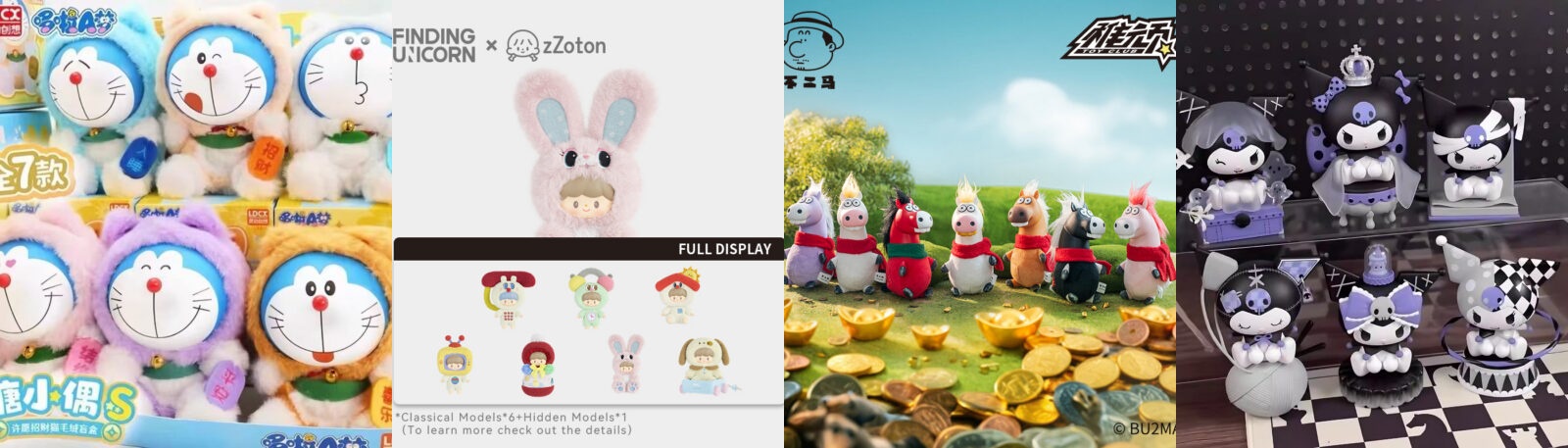
Customer psychology explains why displays work so effectively. The fear of missing out drives blind box purchases, but the fear of getting something disappointing prevents those purchases from happening. Displays eliminate the disappointment fear by showing exactly what customers can expect. The excitement of the blind box experience remains intact because customers still buy sealed boxes for the surprise element, but now they do it with confidence rather than hesitation. Your display validates the purchase decision before the money changes hands.
The implementation process is straightforward and requires minimal ongoing effort. Start with your top-selling series and display one open figure prominently. Observe customer interaction and adjust positioning based on what draws the most attention. Rotate displays monthly to keep the presentation fresh and give different series their time in the spotlight. Track sales data before and after display implementation to measure impact, and use those insights to refine your approach. Your displays will evolve based on what works for your specific customer base.
Your customers notice the difference between a retailer who understands their hobby and one who treats blind boxes as just another product line. Displays signal that you value the collecting experience, that you respect the artistry of the figures, and that you want customers to make informed purchases. This perception builds loyalty that translates into repeat visits and word-of-mouth recommendations. In a market where customer acquisition costs continue rising, the organic growth driven by happy collectors becomes increasingly valuable to your bottom line.
## Tags
#blindbox #retail #display #merchandising #collectibles #customerexperience #salesstrategy